Do You Need a Permit to Remove a Tree in San Marcos?
For an ordinary tree on a lot with an existing home, often not, but it depends on the tree's size, the property, and whether any development is involved. San Marcos regulates trees mainly through its development rules, so the safe move before taking down a large tree is a quick call to the city Permit Center at 512-805-2630.
General information, not legal advice. City rules were updated in 2026; confirm current requirements with the city.
Where San Marcos Tree Rules Show Up
The City of San Marcos writes its tree protection into its Land Development Code and its design and construction standards. These rules come into play mostly when land is being developed: new homes, additions, commercial sites, subdivisions, site preparation.
A few numbers from city documents give a sense of the thresholds:
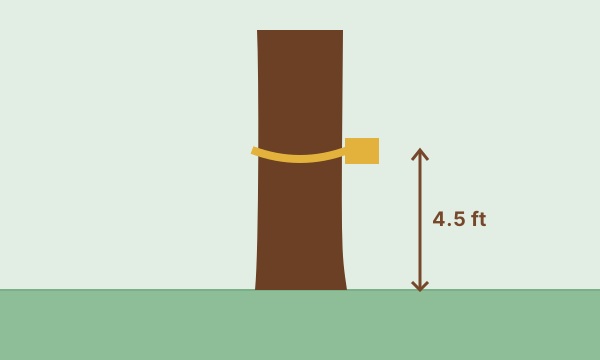
- 9 inches. City construction notes for permitted projects call any tree 9 inches or more in diameter, measured 4.5 feet above natural grade, "regulated."
- 19 inches. City specifications call trees 19 inches and larger "protected," requiring specific review by the City Arborist to approve a permit or site plan that removes them.
- Tree Protection Plan. The city's site preparation permit asks for a plan showing which trees will be removed and which protected, matched to a tree survey, with protection measures in place before work begins.
- Oaks. City specs require oak removals on these projects to follow oak wilt prevention procedures.
City Council adopted an updated Land Development Code on June 16, 2026. Among its changes, it reorganized tree protection and mitigation rules, including fee-in-lieu options and how trees are measured. That's one more reason to check current rules rather than relying on older advice.
A State Law That Helps Homeowners
Texas Local Government Code section 212.905 limits what cities can charge in one common situation. A city may not charge a tree mitigation fee for removing a tree that is on property with an existing one-family or two-family dwelling that is the person's residence, and that measures less than 10 inches in diameter at 4.5 feet above the ground. Where cities do charge mitigation fees, the law also gives residents a way to earn credit by planting replacement trees.
In plain terms: a smaller tree in the yard of the home you live in is the least likely to involve fees or replacement requirements.
How to Measure a Tree
Tree rules measure diameter at 4.5 feet above the ground, sometimes called DBH (diameter at breast height). Wrap a tape measure around the trunk at that height to get the circumference, then divide by about 3.14. A trunk 60 inches around is roughly 19 inches in diameter. For trees with several trunks, rules often combine them, so ask how the city counts multi-trunk trees.
Situations Worth a Call to the City First
- You're building, adding on, pouring a large slab, or doing site work
- The tree is large, especially near or over 19 inches in diameter
- The property is commercial, multifamily or vacant land
- The tree is in a public right-of-way or easement, such as the strip by the street
- You've received a city notice about a tree
The Permit Center is at 630 E. Hopkins St., and permit applications are filed online through the city's MGO Connect portal.
Don't Forget the HOA
Many San Marcos neighborhoods, especially newer master-planned ones, have deed restrictions that require approval before removing trees, particularly in front yards. HOA rules can be stricter than the city's. Check your covenants or ask your HOA before scheduling a removal.
Outside San Marcos City Limits
Parts of 78666 outside city limits, in unincorporated Hays County or the edges of neighboring counties, generally don't have city-style tree rules, though deed restrictions and HOAs still apply. Federal endangered species rules can matter on wooded acreage with golden-cheeked warbler habitat, which is more of a clearing issue than a single-tree issue.
Common Questions
My tree is dead. Do I still need approval?
Dead and hazardous trees are often handled differently from healthy ones, but the process depends on the property and situation. Call the Permit Center if development is involved or the tree is large.
Does the tree crew get the permit?
Sometimes, but responsibility usually rests with the property owner. Agree on who handles any approvals before work starts.
What about trees in the strip between the sidewalk and street?
That area can be public right-of-way. Check with the city before removing a tree there. The city does require you to keep vegetation trimmed clear over sidewalks and streets.
Getting the Tree Down
Once you know where you stand, tree removal can be planned, including working around protected trees nearby. For development and commercial sites, see commercial tree service.