Neighbor's Tree Fell on My Property in Texas: Who Pays?
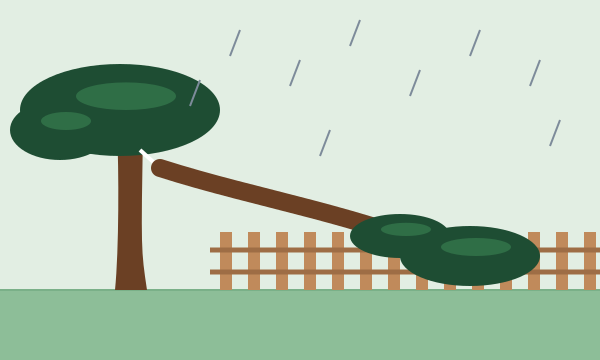
In Texas, if a healthy tree falls because of a storm, the owner of the property where it lands usually handles the cleanup and files with their own insurance. If the tree was dead, rotting or obviously failing and the owner knew it, the owner may be responsible for the damage.
General information, not legal advice. For a real dispute, talk to an attorney or your insurer.
Act of Nature or Negligence
The question that decides most of these cases is why the tree fell.
Weather knocked down a healthy tree. Lightning, high wind, flooding, ice. Texas generally treats this as an act of nature. The tree's owner isn't at fault for a sound tree failing in a storm, so the damage is handled by the policy that covers the damaged property. That means your homeowner's policy for your house, fence and other structures, and your auto policy for your car.
The tree was already failing. If a tree was dead, hollow, leaning badly, or dropping big limbs, and the owner knew or should reasonably have known, a fall can be treated as negligence. The owner, or their insurer, may then owe for the damage. In practice, your insurer often pays your claim first and then pursues the neighbor's insurer.
Why Documentation Matters
The difference between "act of nature" and "they knew" usually comes down to evidence. If a neighbor's tree worries you:
- Take dated photos of the problem: dead limbs, splits, mushrooms at the base, a heavy lean.
- Tell the neighbor in writing. A friendly letter or email that describes what you're seeing and asks them to have it looked at. Keep a copy.
- Get a professional opinion. A tree crew or arborist's assessment in writing makes the condition hard to dispute later.
A written heads-up before the tree falls is the single most useful thing you can have afterward.
Trimming Branches Over Your Line
You generally have the right to trim a neighbor's branches back to the property line. A few limits apply:
- Cut only what's on your side. Don't go onto their property without permission.
- Don't damage the tree so badly that it dies or becomes dangerous. Cutting off half of a tree's canopy, or slicing through major roots, can expose you to a claim.
- You pay for trimming on your side, unless the neighbor agrees to share.
Oaks need extra care. Trimming a neighbor's live oak in spring can expose it, and possibly your own trees, to oak wilt. Wait for the safe months and paint the cuts. Tree trimming
Talking first usually goes better than surprise. Many neighbors will split the cost of a proper trim on the whole tree, which is better for the tree than a straight cut up the property line.
Trees Right on the Line
If the trunk sits across the property line, both owners typically share it. Neither should remove it without the other's agreement. Get that agreement in writing, along with how the cost will be split.
Roots and Foundations
Roots from a neighbor's tree that crack a slab or clog a sewer line are a common source of friction. You can usually cut roots on your side, but cutting large structural roots can kill the tree or make it unstable, which can create liability. Get advice before cutting big roots, especially near a large tree.
After a Tree Falls
Whatever the cause:
- Make sure everyone is safe and stay away from downed lines.
- Photograph everything before it's moved.
- Call your own insurance company.
- Let your neighbor know.
- Get the tree off structures and vehicles as soon as it's safe, so damage doesn't get worse. Insurers expect reasonable steps to prevent more damage.
The first-hour checklist walks through this step by step, and the storm and fallen tree page covers what a crew will do.
Common Situations, Briefly
A healthy pecan from next door drops a limb on your roof in a spring storm. Usually your policy, your claim.
A neighbor's dead hackberry you'd written to them about falls on your fence. A strong case that they, or their insurer, owe for the damage.
Your own tree falls on the neighbor's garage in a storm. Their policy usually handles it, unless your tree was obviously failing.
A tree on the line between two yards splits and lands on both. Each owner typically claims their own damage, and both share the cleanup of the tree.
Each case turns on its own facts, which is why photos and written notice matter so much.
Where to Get Help
The Texas Department of Insurance helps consumers with questions and complaints about home and auto claims, including after storms. For disputes between neighbors that insurance doesn't settle, an attorney who handles property matters can advise.